Category Archives: Uncategorized

How’s it going? Are you growing?

Standard

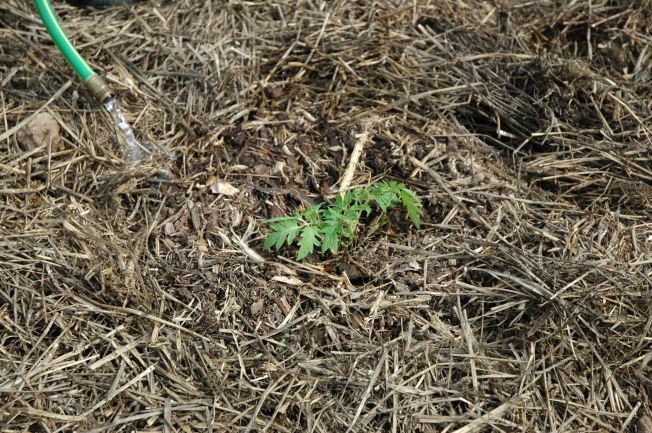
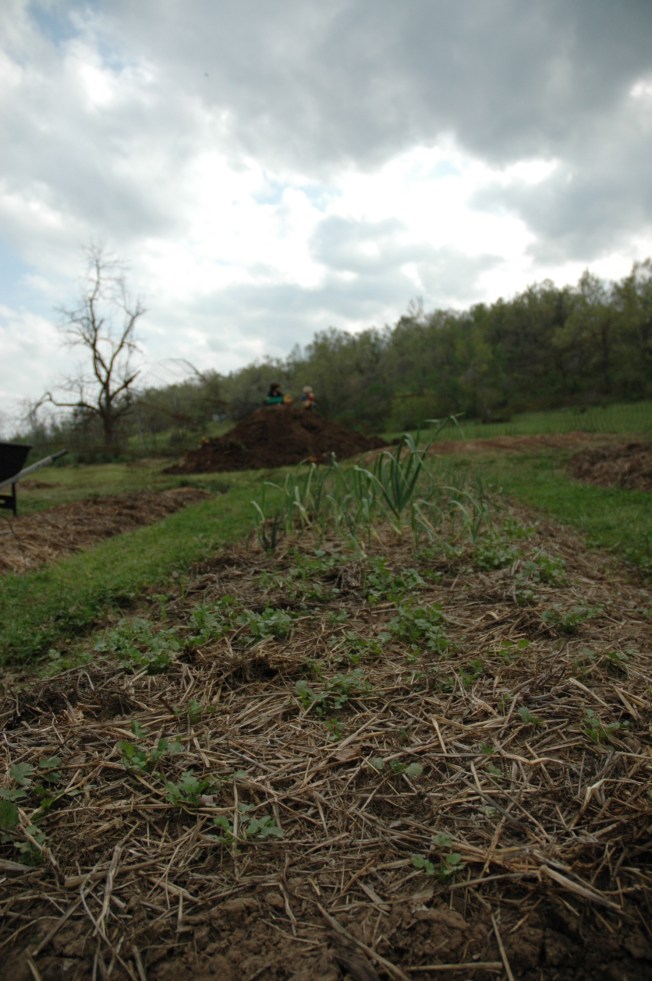
Here’s a little update on the status of what’s growing in our patch.  We planted potatoes on March 22, we were told that if you plant by that date, that you will have full size potatoes by July 4th.  Paul just handed me some while I’m sitting here and I asked “Oh!  Did you just pick these”?  “No”, he said, “I just went out and bought them.”  They’re huge, and quite delicious looking.  Wow.  Our plants were affected by the Colorado potato beetle.  Their grubs chewed off the flowers and holes in most of the leaves, causing the plants to turn yellowish.  It’s nice to know that we have full size potatoes under there, and we can start to pull some out.  

Also ready, our onion patch.  I looks like something walked through it and bent down some of the tops, be it dog, deer or chickens.  They are starting to all turn yellow though and it is time too bend down the remaining tops and let them sit until the whole top turns brown.  From there we will put them in the garage for a week or longer (depending on the humidity) to cure and dry.  What we will replace the onions with, right now I’m not sure.  I would suspect some winter squash, or…  The potatoes will be replaced with a late variety of corn.

We are starting to get fruit on some of our tomato plants.  There are two different methods going on in the garden at the moment, the Calvin Bey method and the Chuck Bartok method, and I have to say, so far the Bey plants look much better.  Calvin Bey is a local recreational gardener, who is of a cult status in this area, he also happens to be a neighbor.  Chuck Bartok is a gentleman who commented on a post of mine last year about not making your fortune in tomatoes.  He was nice enough to send me a link to a group of Youtube videos he made about his tomato planting/pruning method.  I gave it a shot, watched the videos, though not spectacular (home-movie-ish), still an interesting method to which we have dedicated a whole row of Arkansas travelers.  The Bey method deals with caging the tomatoes, which gets expensive and very space consuming and shoring the plant up with bamboo steaks stuck through the cage.  The plants are much bushier and if I were Paul, I would go through and nip off all of the unnecessary limbs and suckers.  The Bartok method deals with a lot of pruning, because according to Chuck, he’s growing the tomato plants for fruit, not foliage.  I have to say that they are looking pretty weak at the moment.  We have had some hot weather here over the past few weeks and the sun is getting to them.  There are some flowers on one of the plants, we will see.  Please don’t let me down Chuck Bartok!  One factor that may play a role in wether or not this will work is our respective locals.  Me, Fayetteville Arkansas.  Mr. Chuck Bartok, off of Hwy.99 in California, up near the Chico area.  His area, hot and dry, sandy soil.  My area, hot and humid, clay soil.  Hmmmmmm.  Stay tuned and in the meantime plant a tomato pant in your backyard.

DSC_0042

The “Bey” method.

DSC_0046

The “Bartok” method.

DSC_0047

Garden view from the roof.  Notice the new rows at the top left.

DSC_0078

Potatoes.

DSC_0088

Corn.

DSC_0089

Newer corn.  Might I add here that we are planting blocks of corn in two week intervals.  This way, we will have corn harvested at different times, instead of all at once.  AHAAA!

DSC_0090

Tomatoes on the vine.
I couldn’t help myself

Standard

The basil plant in my herb garden had about 5 leaves on it, or at least it did until I picked off two of them.  I washed them and chopped them up and threw them on the top of our dinner.  It was pathetic, it wasn’t much, but mmmmm mmmmmm, it made me hungry for the tastes of summer!

Because I like to harp

Standard

I could go on and on about eating local food, so here I go again.  This thursday coming up, we will have the produce buyer from our local food coop come out to take a gander at our farm to make sure it’s legit, so that we can sell some produce to them this summer.  Her name escapes me at the moment, but it doesn’t really matter, produce buying girl said that they currently only carry 8% local food at the coop.  8%!  I just can’t believe that.  There are so many farmers around here growing great produce.  She said that they want to beef it up to 25%, but it’s hard because so many farmers have their own little niches.  Things like this raise little hairs on the back of my neck and make me want to shake people on their shoulders.  What ever you can do, to support your local farmer, you should do it.  Every town has a farmer’s market.  Shop there.  Buy your produce there.  Talk to them about their farms, KNOW WHERE YOUR FOOD COMES FROM!  It’s so important, that I can’t even emphasize it enough.  

Do what you can to grow your own.  In some parts of the United States, it’s not too late to plant a tomato plant, or basil, or any of the summer vegetables for that matter.  Try to take care of yourself in that way.  So important.  Growing food is a skill that most Americans DON’T have, so don’t you think you should learn?  Turn off your T.V.’s right now.

It’s gross, if I choose to buy lettuce at the grocery store, it’s from California.  I live in Arkansas.  That’s 26 hours it has to travel by truck to my neck of the woods.  Fresh?  No.  It’s gross, if I choose to buy a tomato right now, it’s from Mexico.  Fresh?  No.  Taste?  Gross.  

Point?  Point?  Get to the point you say?  Do yourself a favor.  All of you NWA-ers (Northwest Arkansas for those of you not in the know), Buy fresh local produce, or grow your own, and taste the difference for yourself.

The new cock of the walk

Standard

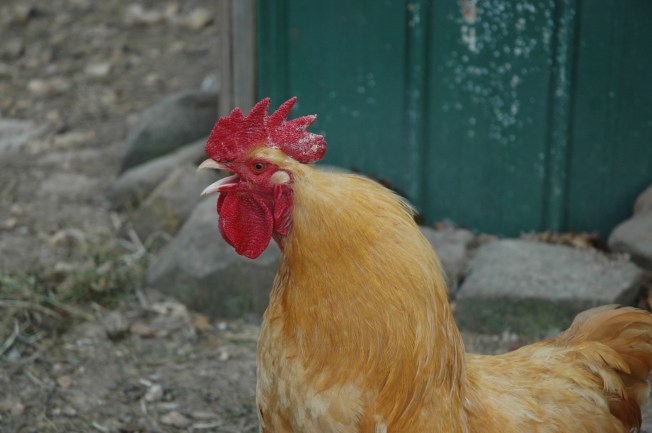
I know I mentioned the new rooster, Stewart, but I don’t think I put up a picture of him so….Enjoy!

DSC_0058

DSC_0060

Donna.

DSC_0062

DSC_0064

Do you need a hobby?

Standard

Everybody does right?  Well, I’m here to introduce you to the world of herb gardening.  Herb gardening is at least as old as the earliest civilizations.  In every age and in every part of the world herbs have been valued in cooking, medicine and the preparation of fragrances.

Okay, okay, that’s nice….but what is an herb?  An herb is a plant or plant part used as an ingredient for flavor, fragrance or healing.  Not to be confused for a spices, which are tropical in orgin.  With spices we use the plants root (ginger), fruits (vanilla pods), flowers (cloves), seeds (pepper), or bark (cinnamon).

Herbs do well in pots inside and out.  Herbs are easy to dry and chop up for your own dry herb needs.  Children like herbs a lot too.  If you are interested in any “kindergardening” ideas, and herb garden is a great one.  Herbs arouse kids’ curiosity and interest because they thoroughly engage the senses.  You touch the rosemary and your hand smells like rosemarry, the mint smells like mint, the snozzberries….any way, herbs are cool!
Culinary Herbs:

Basil                    Chives

Garlic                  Oregano

Rosemary           Dill

Mint                     Parsley

Sage                      Thyme

Tarragon              Summer savory

Fragrant Herbs:

Bergamot             Geranium

Iris Florentina     Lavender

Lemon Balm         Rose

Medicinal and Decorative Herbs:

Chamomile             Comfrey

Feverfew                 Wormwood

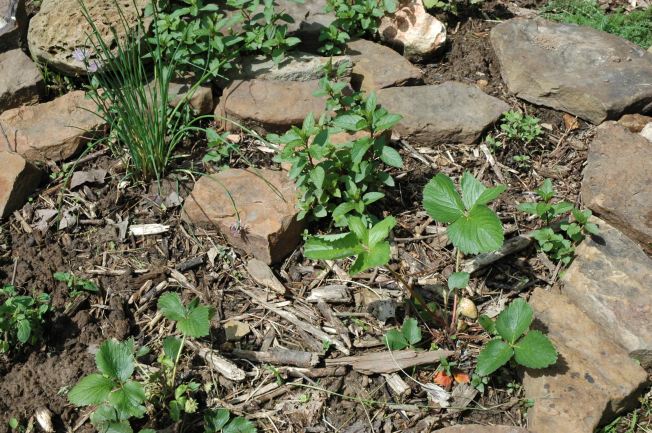
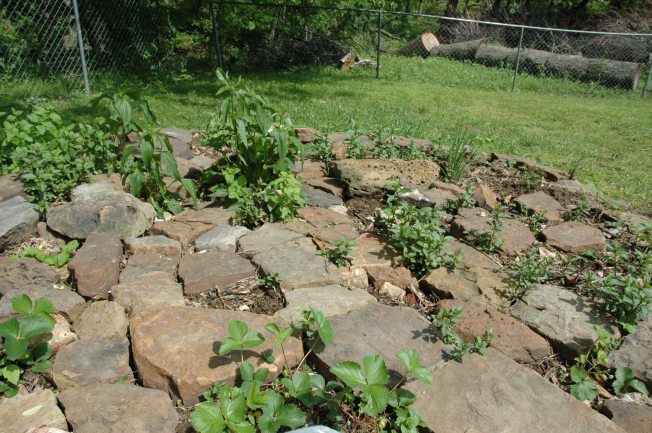
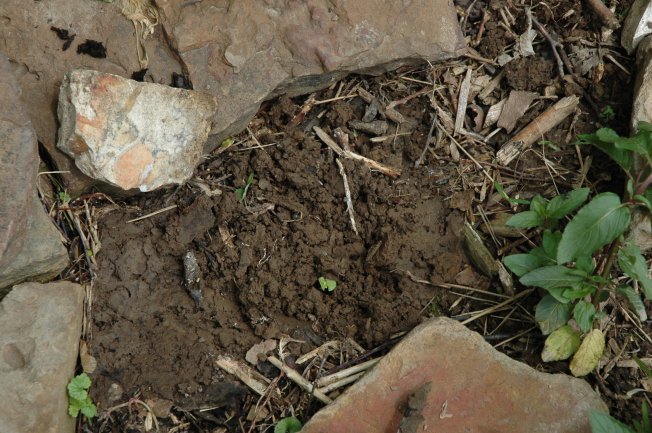
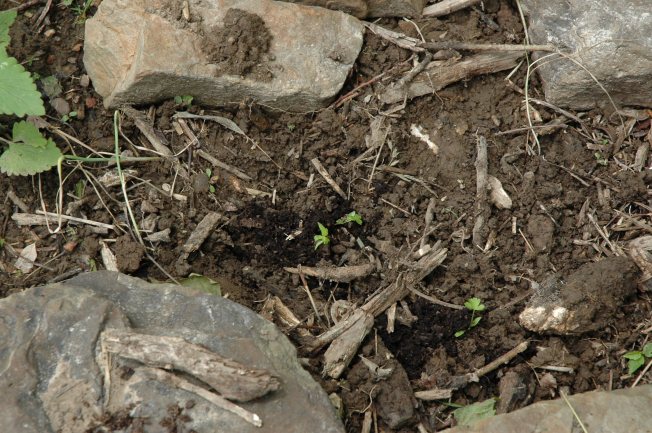
I started and herb garden last year.  It is located in my backyard, close to my creek and it receives mostly full sun.  Ideally, kitchen herb gardens are located close to  your kitchen as possible, for the convenience in cooking.  I started out with three rosemary plants (which have all died), some strawberries, mint, lemon balm, echinacea, and two kinds of oregano.   This season, my herb garden has gone through a massive construction, and if you live in the NWA, please come by and see it, it will be a force to be reckoned with!  Some new additions include chives, carrots, chard, onions, flat leafed parsley, garlic, lavender, two kinds of basil and some red curly lettuce.  I know what some of you may be thinking, some of those things are not herbs.  I know that, it’s an experiment.  I have the room and the will, you should give it a shot for yourself some time.  Now that I have my herb garden in some sort of shape I’m all excited.  It’s my pet this year.DSC_0102

These pictures were taken three days ago.  I have since pulled out more of  the rocks to create more patches for edibles.

DSC_0103

DSC_0104

DSC_0105

Strawberries

DSC_0106

Oregano

DSC_0107

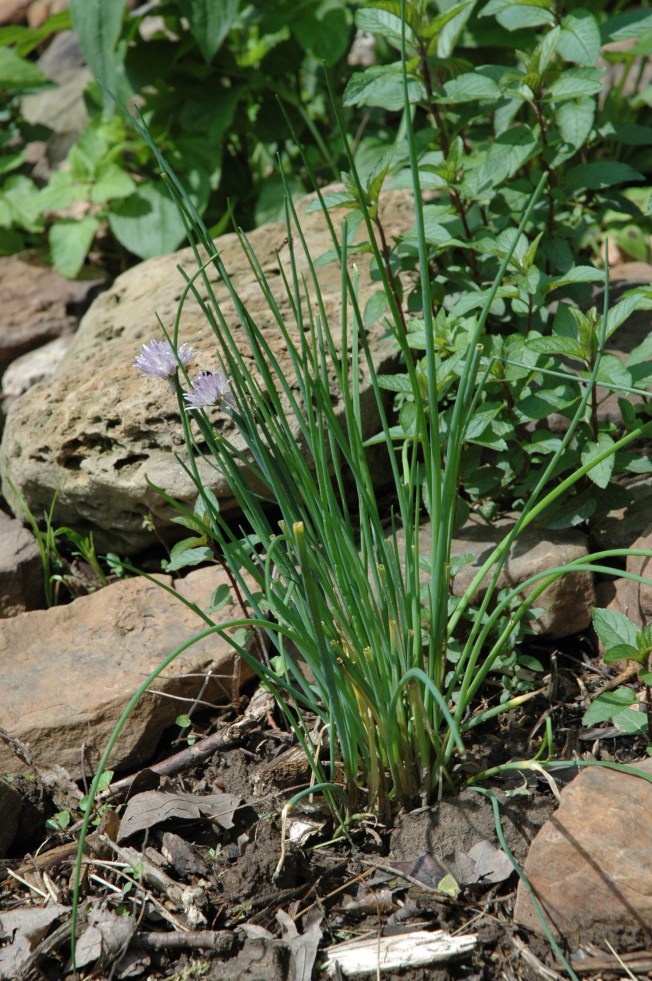
Chives

DSC_0108

Mint galore, which I pulled out today and removed some of those rocks.  Don’t plant mint in the ground if you don’t want it to take over, because it will.  I don’t mind that, because it fills in gaps for me.

DSC_0110

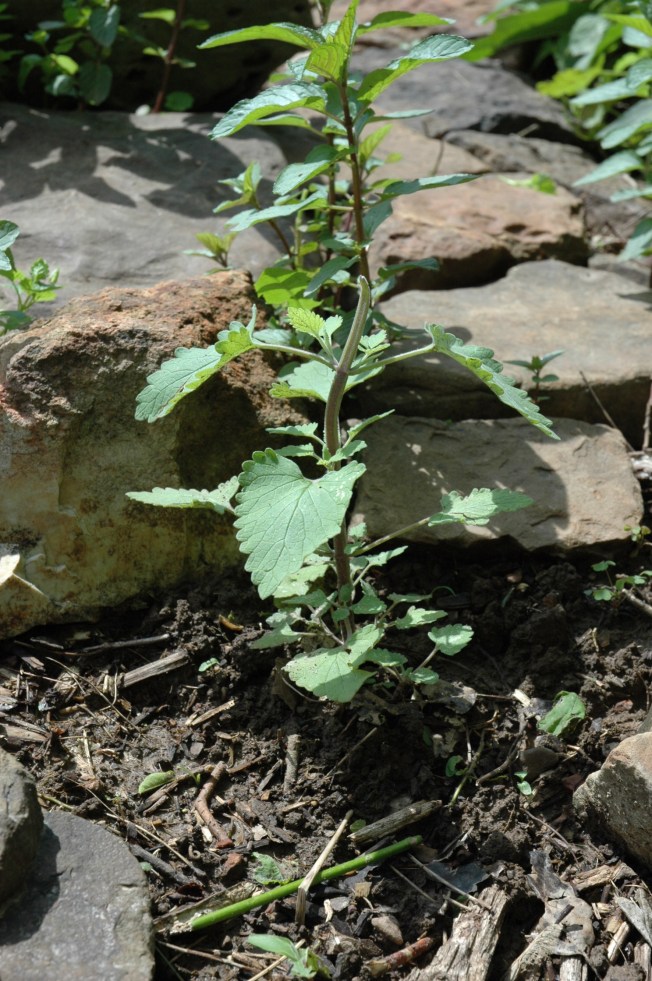
Catnip, or Cat mint

DSC_0111

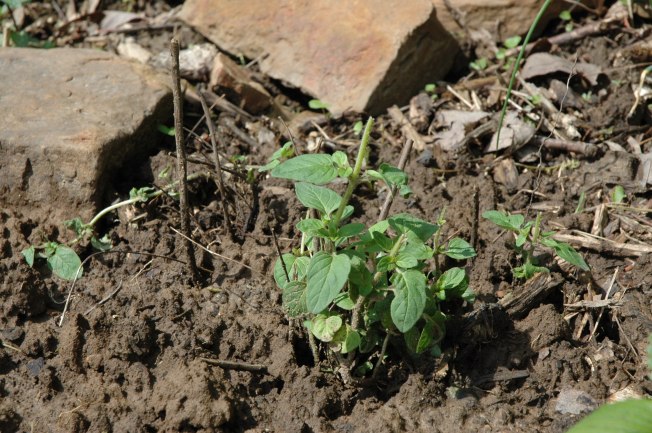
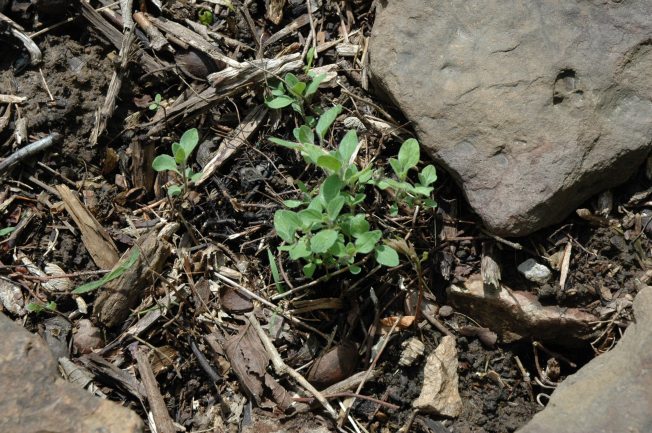
The “other” Oregano.  This is Greek Oregano, which is delicious!

DSC_0112

Lemon Balm

DSC_0113

Echinacea

DSC_0114

DSC_0115

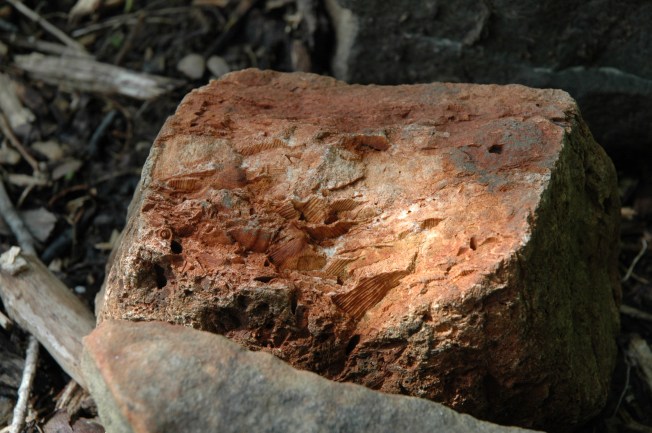
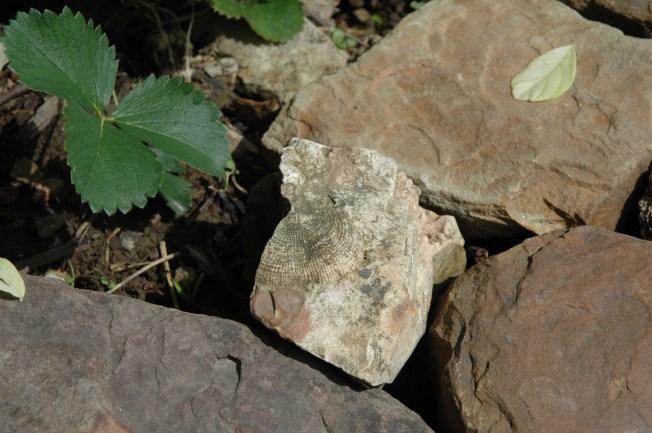
We find a lot of fossils here, so I like to incorporate them into the mix.

DSC_0117

More fossils.

DSC_0118

Still more…

DSC_0155

Red curly lettuce.

DSC_0157

Basil.

DSC_0158

Flat leaf parsley.

So yeah, Herb Gardening!  Go tell your friends.

Install! Install!

Standard

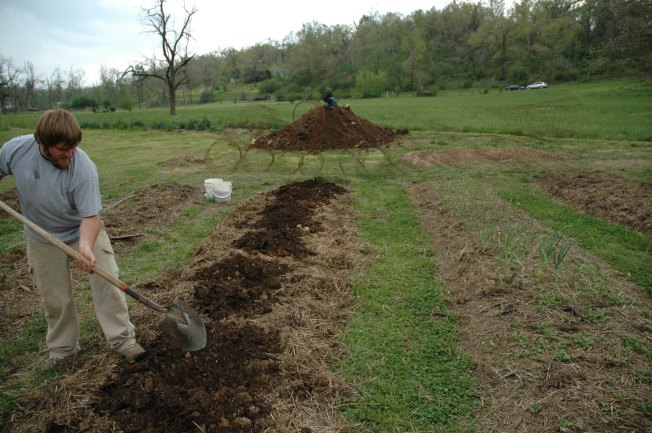
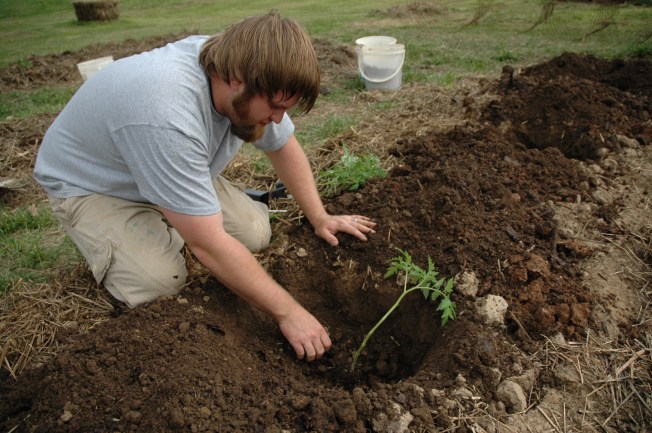
Many days ago, say three weeks?  Giant holes were dug and tomato plants were added.  How about that!

DSC_0027

DSC_0029

DSC_0030

Our potatoes.

DSC_0033

My onions and cilantro, which is going crazy!  So if you live in the NWA, come and pick some, thank you.

DSC_0034

Strawberry/Garlic patch.

DSC_0038

DSC_0039

DSC_0040

DSC_0042

DSC_0054

Dirt pile fun

Standard

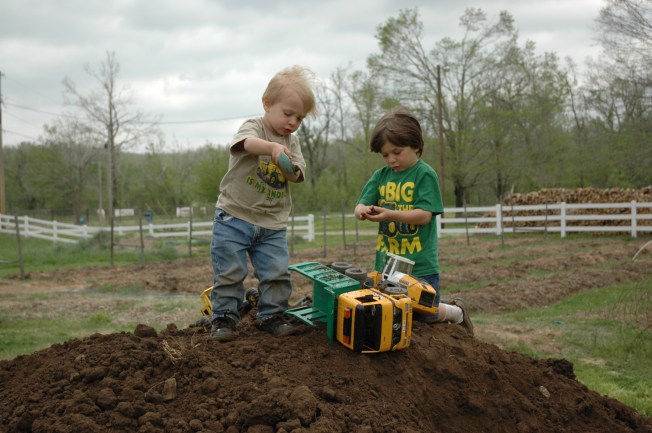
We (I say “We”, but I mean Paul and Josh) are adding 1000 more sqft. to the garden.  These extra rows are for watermelons and pumpkins.  The dumptruck came and dumped some dirt and my children had a hayday.

DSC_0017

DSC_0018

DSC_0022

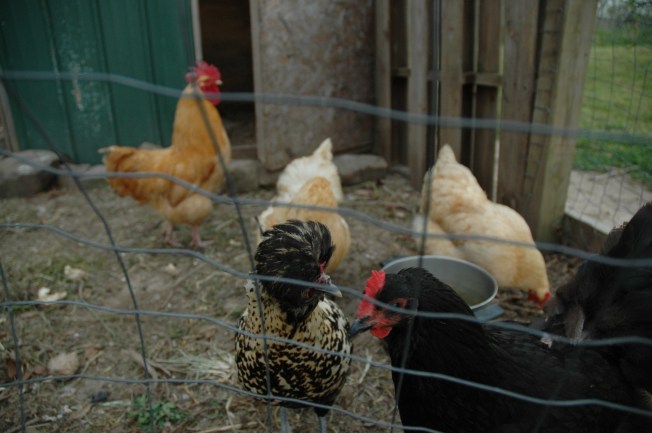
Our chickens doing their thing.

DSC_0026

Dinner doesn’t have to come from a box

Standard

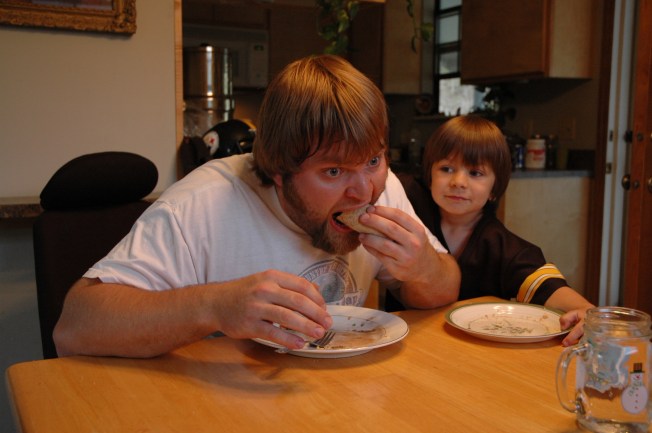
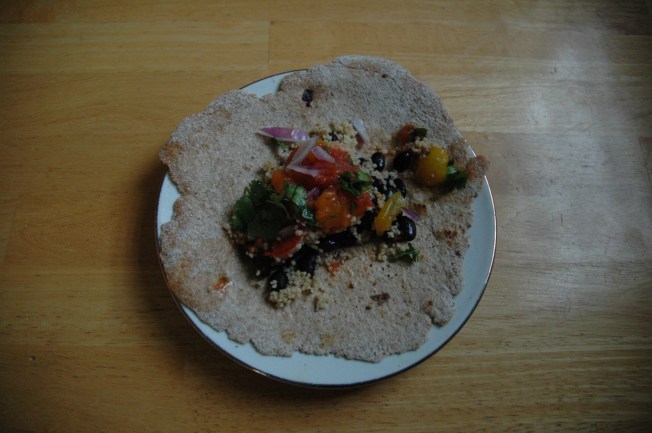
This is how we like to eat out here on the “farm”.  Homemade tortillas, organic black beans and couscous, homemade salsa, with fresh cilantro from the garden.  My kids asked for seconds!

yummy

DSC_0003

DSC_0005

DSC_0010

Have a good one!

Why Local Food?

Standard

1.  Protect our Food Supply:

  • The U.S. is growing two food crops for both animals and people: corn and soy.  Remember the Irish Potato Famine?  Being dependent on two crops is dangerous.  Diversity protects against famine caused by crop failure.
  • Foreign imports from China and other countries usually have lower standards than the U.S.
  • Disruption of food supply distribution chains due to terrorist activity.
  • Control in the hands of small farmer and consumer instead of in the hands of huge companies.
  • GMO foods come from conglomerates with an eye to their bottom line rather than to our health.
  • 80% of feedlot beef is controlled by four companies.  Also true for soy.

2.  Reduce oil consumption used to transport food thousands of miles to market.

3.  Supports and strengthen local economies all across the U.S.

4.  Healthier choice:

  • Animals are being fed a diet that is not natural to them.  Cows are grass eaters, but are being fed corn and soy in feedlots.  This diet makes them sick, hence the need for antibiotics.  They are now training farmed salmon to eat corn!  They have to find a use for the overproduction of corn, subsidized by our tax dollars, but destroying the nutrients in our food.
  • We can know more about the farming practices of locally produced food, know how clean, how safe, how animals are cared for, how vegetables are raised.
  • Local foods are fresher, higher in nutrients because they are harvested at peak ripeness for immediate consumption.  Food traveling long distances must be harvested before they are ripe (lower in nutrient value) in order to have any sort of shelf life.
  • Cuts down on the consumption of prepared foods, full of additives, preservatives, and fillers.  Along with the increased consumption of prepared foods go increases in chronic illness not experienced in cultures eating a more traditional diet, even those high in fats (France, Polynesia, Inuits, Masai).  Diabetes has increased 1000% in the last ten years! 1 in 3 of us develops cancer now, and osteoporosis is common.  Learning disabilities and ADHD are rampant, along with chronic fatigue and fibromyalgia.  Whoever heard of these conditions 40 years ago?  We have become a nation with the greatest wealth but with the greatest deficiencies in vitamins and minerals.

5.  Environmental issues:

  • Conventional farming is dependent on the use and overuse of chemical fertilizers which deplete the soils and contaminate our streams and rivers.  The Gulf of Mexico now has a huge “dead zone” caused by runoff from farms beginning far to the north and throughout the Midwest.
  • Conventional animal farms pollute groundwater supplies due to huge collections of waste.
  • The self-sustaining family farm of years ago relied on very little from outside, recycling animal waste and composted trimmings from vegetables as fertilizer and soil conditioner.  Crops were rotated, animals moved from pasture to pasture as grasses matured.

The art of cooking lost?

Standard

Why is it these days that we would rather wait 30 minutes in a restaurant for a frozen and reheated meal, than to stand in our kitchens and prepare a wholesome meal for our families? Why is it that no one enjoys to cook these days? Why is it that obesity is such a problem? Hmmmmmm….I don’t think that it’s that hard to figure out if you just look to the past for a little information. I read once in a magazine “If your grandmother didn’t eat it, than you shouldn’t eat it.” There was an accompanying picture of an old cartoon granny holding a limp tube of yogurt product. It totally makes sense. Back then, people didn’t have food products to eat, they had food, that they grew and cooked themselves. Was obesity or diabetes a problem? No. Nowadays, corporations have taken over our food suppy and stuff all sorts of food science in a box for you to consume at the dinner table. What’s in it you say? Try to pronounce it, can’t? Than throw it away. I’m posting a few easy recipes that I want you to try, Whole whet tortillas, which I’ve put up before and a vegan carrot cake, that is too delicious for words. I hope you give them a shot.

Whole Wheat Tortillas
2 cups of whole wheat flour
1 tsp baking powder
1/2 tsp salt
2 tbs olive oil
1/2 cup-3/4 cup warm water

Combine dry ingredients, add oil and stir. Add water 1tbsp at a time until dough can be gathered into a ball. Knead dough 15-20 times on a floured surface, then let rest for 15 minutes. divide into 10-15 smll balls, roll out into circles. Cook on an ungreased skillet over medium-high heat. Cook 30 seconds per side.

Vegan Carrot Cake
2 1/4 cups flour
2 tsp baking soda
2 tsp cinnamon
1 tsp allspice
1 tsp baking powder
1 tsp salt
3/4 cup brown sugar
2 bananas
1 tsp vanilla
1 cup oil
2 grated carrots
1 can crushed pineapple
1 cup shredded coconut
rasins or nuts

mix everything together (dry ingredients first), bake @ 350 degrees for 35-45 minutes.

Frosting
(You can use regular cream cheese if you wish)
1 pkg. vegan cream cheese
1 tsp vanilla
1/3 cup soy margarine
3/4-1 cup powdered sugar

Beat together, and frost the cake.